 By Car instaplayzone
Running a small business in the UK is a rollercoaster, isn’t it? One day you’re soaring, the next you’re navigating a sudden dip. You wear so many hats – CEO, marketing guru, chief coffee maker – that thinking about every single ‘what if’ can feel overwhelming. But here’s the thing: some ‘what ifs’ aren’t just hypothetical; they’re potential business-enders. And that, my friend, is where public liability insurance for small business UK steps in, offering a crucial safety net you absolutely cannot afford to overlook.
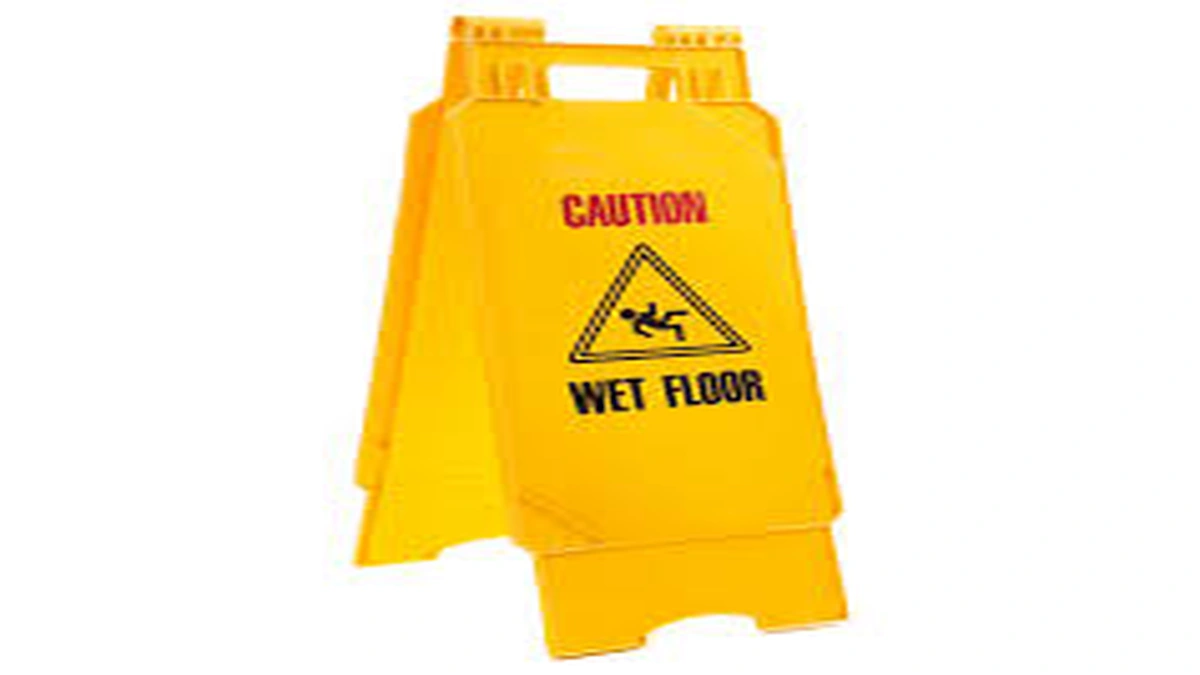
Let’s be honest, nobody wants to think about a customer slipping on a wet floor in their shop, or an employee accidentally damaging a client’s property during a service call. Yet, these things happen. And when they do, the financial fallout can be catastrophic for a small business. I’ve seen it time and again: a perfectly viable venture brought to its knees by an unforeseen accident and the subsequent legal fees. This guide isn’t just about telling you what public liability insurance is; it’s about walking you through how to get the right cover, understand its nuances, and sidestep the common traps that could leave you exposed.
What Exactly Is Public Liability Insurance, Anyway? (And Why You Can’t Afford to Skip It)
Okay, let’s cut through the jargon. At its core, public liability insurance for small business UK protects your business if a third party (a customer, a visitor, a member of the public) suffers an injury or has their property damaged as a result of your business activities. Think about it: if you run a café, and a customer trips over a loose rug, injuring themselves, they could sue you for medical costs, lost earnings, and more. If you’re a plumber and accidentally flood a client’s kitchen, you’re looking at significant repair bills.
The ‘why’ it matters is simple: without it, you’re personally on the hook for these costs. And believe me, legal battles and compensation claims can run into tens of thousands, even hundreds of thousands of pounds. For a small business UK , that’s often an insurmountable figure. This isn’t just about being compliant; it’s about safeguarding your livelihood, your personal assets, and the future you’re working so hard to build. It’s about managing your small business liability proactively, rather than reactively.
Navigating the Maze | How to Choose the Right Public Liability Policy
So, you’re convinced you need it (you should be!). But how do you pick the right insurance policy ? This is where many small business owners get a bit lost, and understandably so. It’s not a one-size-fits-all product. Here’s what you need to consider:
- Your Business Type: A freelance graphic designer working from home has different risks than a builder on a construction site, or a shop owner with foot traffic. Your insurer will assess your specific industry and operations.
- Risk Level: How often do you interact with the public? Do you work with potentially hazardous equipment? The higher the risk, the more comprehensive (and potentially more expensive) your cover might need to be.
- Sum Insured: This is the maximum amount your insurer will pay out for a claim. Common levels are £1 million, £2 million, or £5 million. While £1 million might sound like a lot, consider potential legal fees on top of compensation. Many clients (especially corporate ones) will insist you have a minimum of £5 million. It’s a bit like doing a comprehensive business insurance policy comparison UK to find the best fit for your needs and budget.
Don’t just jump at the cheapest option. While insurance cost UK is a factor, inadequate cover is a false economy. Speak to a reputable broker or insurer who understands your specific business. They can help you tailor a policy that genuinely protects you, rather than just ticking a box.
Beyond the Basics | Understanding Professional Indemnity and Employer’s Liability
This is where things can get a little confusing, as public liability is often discussed alongside other crucial forms of business insurance UK . It’s important to differentiate:
- Professional Indemnity Insurance: This is different from public liability. While PL covers physical injury or property damage, professional indemnity covers financial losses incurred by a client due to your professional negligence, mistakes, or bad advice. If you’re a consultant, accountant, web designer, or any service provider offering expertise, you likely need this.
- Employer’s Liability Insurance: If you employ even one person (even part-time staff or apprentices), this is a legal requirement in the UK. It covers you if an employee becomes ill or injured as a result of the work they do for you. The penalties for not having it are severe. You can find more detailed guidance on this on the gov.uk website. This type of cover is distinct from public liability cover UK, but often bundled together by insurers.
So, while your public liability insurance for small business UK is essential for protecting against third-party incidents, don’t forget to assess your need for professional indemnity insurance and employer’s liability insurance too. A comprehensive approach to protection is always the smartest strategy for any growing business.
Common Mistakes Small Businesses Make (And How to Avoid Them)
In my experience, many small businesses stumble not because they don’t want insurance, but because they make a few key errors. Here are the big ones:
- Underinsuring: This is probably the most common mistake. Business owners opt for the lowest possible sum insured to save a few quid, only to find themselves woefully underprotected when a major claim hits. Always consider the worst-case scenario. What if a fire started on your premises and spread to a neighbouring property?
- Not Reviewing Annually: Your business changes, right? You might take on new services, hire more staff, or move to a larger premises. Your insurance needs evolve too. A policy that was perfect three years ago might be completely inadequate today. Set a reminder to review your public liability insurance for small business UK at least once a year.
- Assuming Coverage: Don’t just assume something is covered. Read the policy wording carefully. If in doubt, ask your broker or insurer for clarification. For instance, some policies might exclude certain types of work or locations.
- Ignoring Risk Management: Insurance is not a substitute for good risk management small business practices. It’s a safety net, not a license to be careless. Implement health and safety protocols, conduct regular risk assessments, and train your staff. The fewer incidents you have, the better your claims history, which can positively impact your premiums over time. Just like you’d research the best car insurance company India before buying a vehicle policy, you need to be just as diligent for your business.
FAQs | Your Burning Questions Answered
Is public liability insurance mandatory for small businesses in the UK?
No, unlike employer’s liability insurance, public liability insurance for small business UK is not legally mandatory. However, it is highly recommended and often a contractual requirement if you work with larger clients or in certain sectors. Not having it leaves your business incredibly vulnerable to potentially ruinous claims.
How much does public liability insurance cost for a small business?
The insurance cost UK for public liability varies significantly. Factors include your business type, the level of risk involved, your chosen sum insured (e.g., £1m, £2m, £5m), and your claims history. A low-risk home-based business might pay as little as £60-£100 per year, while a higher-risk trade could pay several hundred pounds. Always get multiple quotes.
What’s the difference between public liability and professional indemnity?
Public liability insurance covers claims for physical injury to third parties or damage to their property caused by your business activities. Professional indemnity insurance covers claims for financial loss suffered by a client due to your professional negligence, errors, or omissions in your advice or services.
What should I do if a claim is made against my business?
Firstly, don’t admit fault! Contact your insurance provider immediately. They will guide you through the process, which usually involves completing a claim form and providing details of the incident. Your insurer will then handle the communication with the claimant and their legal representatives.
Can I get public liability insurance as a sole trader?
Absolutely, yes! In fact, as a sole trader , your personal assets are often not separated from your business assets, making public liability insurance even more critical for your personal financial protection. Many insurers offer tailored policies for sole traders and freelancers.
Ultimately, securing the right public liability insurance for small business UK isn’t just another item on your to-do list; it’s a fundamental pillar of sound business practice. It’s about giving yourself the peace of mind to focus on what you do best – growing your business – knowing that you’re protected against the unexpected. Don’t wait for an incident to realise its value. Be proactive, be protected, and keep building that dream.