 By Car instaplayzone
Starting a small business in the USA? It’s exhilarating, isn’t it? That spark of an idea, the late nights, the dream of building something truly yours. But amidst all that passion and planning, there’s one crucial area that often gets pushed to the back burner: small business insurance requirements USA. And let me tell you, overlooking this isn’t just a minor oversight; it’s like building a beautiful house without a strong foundation. You wouldn’t do that, right?
Here’s the thing: while the sheer variety of policies might feel overwhelming, understanding your insurance needs isn’t just about ticking a box. It’s about strategically protecting your dream, your livelihood, and your peace of mind. Think of me as your personal guide, helping you cut through the jargon and figure out exactly what you need to know. We’re going to walk through the ‘how’ – how to understand, how to choose, and how to secure the right small business coverage so you can focus on what you do best: running your amazing business.
Why Insurance Isn’t Just a “Good Idea,” It’s Your Business’s Backbone
I’ve seen it happen too many times. A small business owner, full of optimism, thinks, “Nah, I won’t need that.” Then, a client slips, a data breach occurs, or a piece of essential equipment breaks down, and suddenly, their entire venture is teetering on the brink. What fascinates me is how many entrepreneurs view insurance as an expense rather than an investment. But truthfully, it’s one of the most fundamental investments you can make in your business’s longevity.
Imagine the unexpected. A lawsuit, property damage, an injured employee – these aren’t just abstract possibilities; they’re real risks that can devastate a small operation. Adequate commercial insurance small business protection acts as a financial safety net, absorbing the impact of these unforeseen events. It allows you to recover, rebuild, and continue pursuing your entrepreneurial vision without losing everything you’ve worked so hard for.
The Non-Negotiables | Mandatory Small Business Insurance Policies in the USA
Alright, let’s get down to brass tacks. While specific legal requirements for businesses vary by state and industry, there are a few policies that are almost universally mandatory if you meet certain criteria. You absolutely need to know these.
Workers’ Compensation Insurance
If you have employees, chances are you’ll need workers’ compensation insurance. This isn’t optional in most states. It covers medical expenses and a portion of lost wages for employees who get injured or fall ill on the job. Without it, you could face hefty fines, severe penalties, and direct liability for employee injuries. Trust me, you don’t want to navigate that minefield.
Unemployment Insurance
This is another one that’s often federally and state-mandated. While not typically thought of as “business insurance” in the traditional sense, it’s a payroll tax that funds benefits for workers who lose their jobs through no fault of their own. It’s part of your responsibility as an employer.
Commercial Auto Insurance
If your business owns or uses vehicles for work-related purposes – whether it’s a delivery van, a company car, or even your personal vehicle used for client visits – you’ll need a specific commercial auto insurance policy. Your personal car insurance likely won’t cover business-related accidents, and that’s a mistake many small business owners only discover after an incident.
Beyond the Basics | Smart Coverages Every Small Business Should Consider
Once you’ve got the mandatory stuff sorted, it’s time to think strategically. There’s a whole world of types of business insurance out there designed to cover specific risks. These might not be legally required, but they are absolutely essential for truly protecting your assets and ensuring your business thrives.
General Liability Insurance
This is often called a “slip and fall” policy, but it’s so much more. General liability insurance protects your business from claims of bodily injury, property damage, and personal or advertising injury caused by your business operations, products, or services. Even if you work from home, a client visiting your space could slip, or you could accidentally damage a client’s property. Knowing the typical general liability insurance cost is a great starting point for budgeting.
Professional Liability Insurance (Errors & Omissions)
If your business provides advice, services, or expertise (think consultants, designers, accountants, tech professionals), then professional liability insurance (also known as Errors & Omissions or E&O) is non-negotiable. It covers claims of negligence, errors, or omissions in the professional services you provide. Even the most careful professionals can make an honest mistake, and this policy is your shield.
Business Owner’s Policy (BOP)
For many small businesses, a Business Owner’s Policy (BOP) is a fantastic, cost-effective solution. It bundles general liability, commercial property insurance, and business interruption insurance into one convenient package. It’s often cheaper than buying these policies separately and provides comprehensive protection against common small business risks like property damage, customer injuries, and loss of income due to covered disruptions.
Commercial Property Insurance
Whether you own your building, lease office space, or even run your business from a home office, you have valuable physical assets. Commercial property insurance protects your building, equipment, inventory, furniture, and even outdoor signs from perils like fire, theft, and natural disasters. Don’t underestimate the cost of replacing everything if disaster strikes.
Cyber Insurance
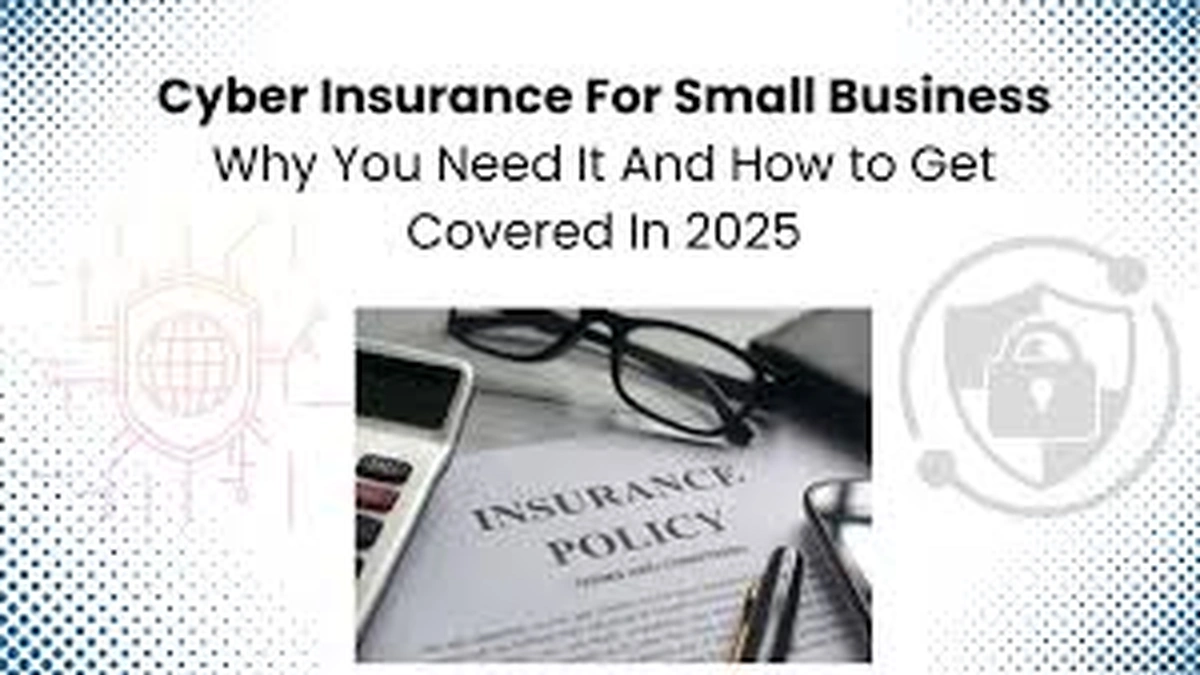
In our increasingly digital world, cyber insurance has moved from a luxury to an absolute necessity. Even the smallest businesses handle sensitive data – customer information, payment details, employee records. A data breach can be catastrophic, leading to legal fees, notification costs, credit monitoring, and reputational damage. This policy helps cover those immense costs and navigate the aftermath of a cyber attack.
Decoding the Details | What Influences Your Insurance Premiums?
So, you’re probably wondering, “What’s this all going to cost me?” That’s a fair question, and honestly, there’s no one-size-fits-all answer. Your insurance premiums are influenced by several factors:
- Industry: A construction company faces different risks than a graphic design studio, and premiums reflect that.
- Location: Businesses in high-crime areas or regions prone to natural disasters might pay more.
- Number of Employees: More employees generally mean higher workers’ compensation insurance and liability risks.
- Claims History: A history of past claims will likely drive up your rates.
- Coverage Limits & Deductibles: Higher coverage limits mean higher premiums, while higher deductibles can lower them (but increase your out-of-pocket risk).
- Safety Measures: Implementing robust safety protocols, security systems, or risk management strategies can sometimes lead to discounts.
It’s why getting personalized insurance quotes for small business is so vital.
Your Action Plan | Securing the Right Coverage, Step-by-Step
Feeling a bit clearer now? Good. Here’s how you can take action and make sure your business is properly protected:
- Assess Your Risks: Honestly evaluate your business. What are the biggest potential threats? Do you handle sensitive customer data? Do employees use heavy machinery? Do clients visit your premises? This is the first and most critical step in identifying your essential policies and understanding your unique small business insurance requirements USA profile.
- Research State Laws: Remember, certain policies like workers’ comp are state-specific. Check your state’s Department of Labor or equivalent agency website to understand your exact legal requirements for businesses.
- Consult an Independent Insurance Agent: This is where the magic happens. An independent agent works for you, not a single insurance company. They can compare policies from multiple carriers, helping you find the best coverage at the most competitive price. Think of them as your insurance Sherlock Holmes.
- Compare Quotes Thoroughly: Don’t just jump at the lowest price. Look at what each policy actually covers, the exclusions, and the financial strength of the insurer. Sometimes paying a little more for a reputable carrier and better coverage is worth its weight in gold.
- Review Annually: Your business evolves, and so should your insurance. New employees, new services, new equipment – all these can change your risk profile. Make it a habit to review your policies at least once a year with your agent. This is crucial for keeping your business insurance coverage up-to-date. For instance, if you’re exploring ways to protect your long-term financial stability, understanding how to choose the right life insurance can be insightful for your personal planning, much like business insurance protects your enterprise. Check out the untapped secret to choosing the best term life insurance plan in India for another perspective on securing your future.
- Consider Auto Insurance Specifics: If your business relies on vehicles, ensure your car insurance company provides adequate commercial coverage. Personal policies often fall short when it comes to business-related incidents.
For additional guidance on federal requirements and resources, the U.S. Small Business Administration (SBA) is an excellent starting point. You can find valuable information on their official website:SBA.gov.
FAQs | Your Burning Questions Answered
Is small business insurance mandatory in every state?
Not all types of small business insurance requirements USA are mandatory in every state. However, if you have employees, workers’ compensation insurance is almost universally required. Commercial auto insurance is also mandatory if you use company vehicles. Other policies, while highly recommended, are typically not legally mandated but are crucial for risk management.
How much does general liability insurance cost for a small business?
The general liability insurance cost varies widely based on your industry, location, number of employees, and claims history. Many small businesses can expect to pay anywhere from $300 to $1,000 per year for a basic policy, but this is a broad estimate. High-risk industries will pay more.
Can I get by without professional liability insurance?
If your business offers professional advice or services, getting by without professional liability insurance is a huge gamble. One error or omission claim could lead to devastating legal costs and settlements, potentially bankrupting your business. It’s a critical safeguard for service-based professionals.
What’s the difference between a BOP and separate policies?
A Business Owner’s Policy (BOP) bundles several common coverages – typically general liability insurance, commercial property insurance, and business interruption insurance – into one convenient, often more affordable, package. Separate policies allow you to customize each coverage individually, which might be necessary for businesses with highly specialized or extensive needs that a standard BOP doesn’t fully address.
How often should I review my business insurance coverage?
You should review your business insurance coverage at least once a year, or whenever there’s a significant change in your business operations. This includes hiring new employees, expanding services, purchasing new equipment, changing locations, or experiencing a major increase or decrease in revenue. An annual review ensures your policies still align with your current risks.
So there you have it. Navigating small business insurance requirements USA doesn’t have to be a headache. It’s about being proactive, understanding your risks, and making informed decisions that safeguard your entrepreneurial journey. Don’t let the fear of the unknown hold you back; instead, empower yourself with the right protection. Your business, and your future, will thank you for it.