
 By Car instaplayzone
Alright, let’s talk about something incredibly important, yet often overwhelming: home insurance. If you’re a homeowner in the USA, or dreaming of becoming one, you know that protecting your sanctuary isn’t just a good idea it’s essential. But here’s the thing: wading through all the options, deciphering policy jargon, and trying to figure out which of the best home insurance companies USA genuinely has your back can feel like a full-time job. And honestly, who has time for that?
I get it. The anxiety of unforeseen events a burst pipe, a storm, or even an unexpected liability claim can be immense. You want peace of mind, not just another bill. That’s why I’m here. Consider me your friendly guide, helping you navigate the sometimes-murky waters of homeowners insurance policies. We’re going to break it down, make it understandable, and equip you with the knowledge to make a truly informed decision, not just pick the cheapest option and hope for the best. Because when it comes to your home, ‘hoping for the best’ isn’t a strategy.
Why Home Insurance Isn’t Just a Bill | Understanding the Basics
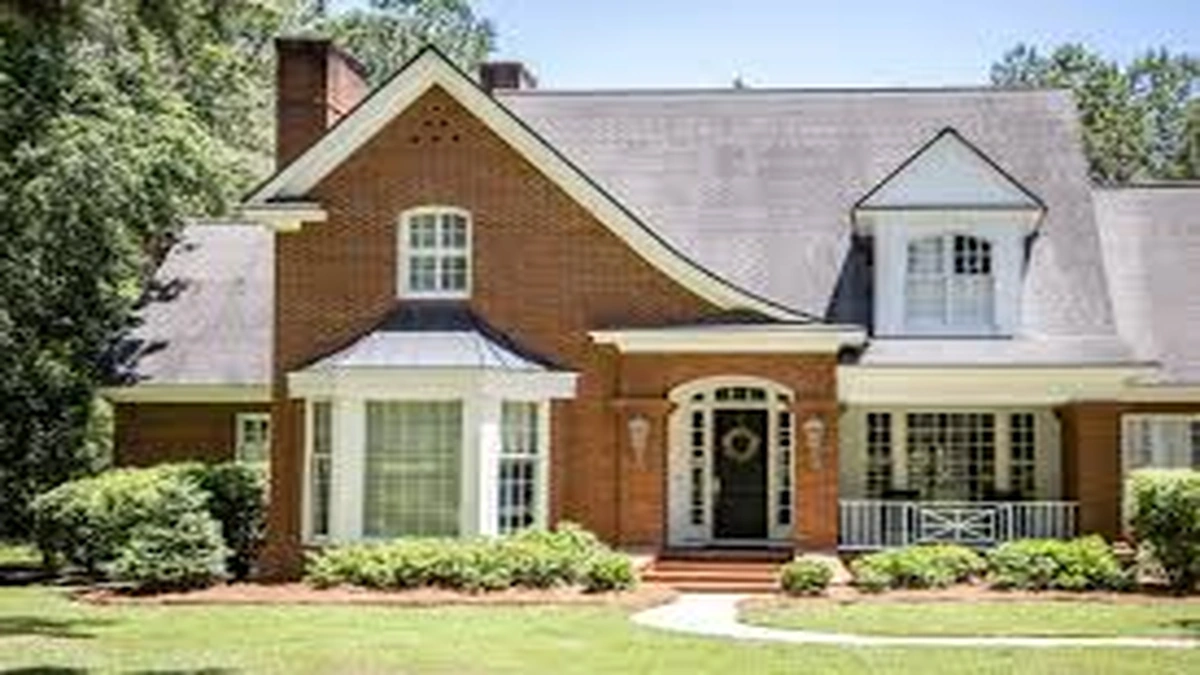
Let’s start with the ‘why.’ Why do we even need this stuff? Well, beyond the fact that most mortgage lenders require it (hello, practical necessity!), home insurance is your financial safety net. It’s not just about repairing a leaky roof; it’s about protecting your entire financial future from a single, catastrophic event. Think of it as an umbrella for your most valuable asset.
At its core, a standard homeowners insurance policy (often called an HO-3) typically covers a few key areas:
- Dwelling Coverage: This is the big one. It protects the physical structure of your home—the walls, the roof, the foundation—against perils like fire, windstorms, hail, and vandalism. This is what you’d use to rebuild your home if it were destroyed.
- Other Structures Coverage: Think detached garages, sheds, fences. These usually get a percentage of your dwelling coverage.
- Personal Property Coverage: All your stuff! Furniture, electronics, clothes, jewelry. This covers your belongings whether they’re in your home or, in some cases, even if they’re stolen from your car while you’re on vacation.
- Loss of Use (Additional Living Expenses): If a covered event makes your home uninhabitable, this helps pay for temporary housing, food, and other increased living costs while your home is being repaired. Trust me, you don’t want to be paying a mortgage AND hotel bills out of pocket.
- Personal Liability Coverage: This is a huge one for peace of mind. If someone gets injured on your property protection and sues you, or if you accidentally cause damage to someone else’s property, this coverage can help with legal fees and medical bills. It’s the kind of protection you hope you never need, but are incredibly grateful for if you do.
Understanding these fundamental components is your first step. It’s not just about getting a policy; it’s about getting the right policy, one that truly understands your needs and risks.
Decoding Coverage | What You Really Need to Look For
Now, let’s get into the nitty-gritty of home insurance coverage types. Because while standard policies are great, the devil, as they say, is in the details. You’ll encounter terms like ‘actual cash value’ versus ‘replacement cost.’ This is critical. Actual cash value pays out for the depreciated value of your items, meaning what they’re worth today. Replacement cost, however, pays to replace them new. Always, and I mean always, aim for replacement cost coverage for your dwelling and personal property if you can. It makes a massive difference during a claim.
Then there are the perils. Most policies cover a broad range, but some things are almost always excluded: floods and earthquakes, for example. If you live in an area prone to these, you’ll need separate policies. Don’t assume! I’ve seen too many people learn this the hard way.
When you’re comparing homeowners insurance quotes, pay close attention to your deductibles. This is the amount you pay out-of-pocket before your insurance kicks in. A higher deductible usually means lower insurance premiums, but make sure it’s an amount you can comfortably afford in an emergency. On the flip side, check your policy limits. Is your dwelling covered for its full rebuild cost? Is your personal property coverage enough to replace everything you own? Don’t just guess; take an inventory. It’s a bit of work upfront, but it pays dividends if you ever need to file a claim.
Beyond the Price Tag | How to Compare the Top Players
Okay, so you understand the basics. Now for the million-dollar question: which are the best home insurance companies USA has to offer? Honestly, there isn’t a single ‘best’ for everyone. It’s about finding the best for you. But we can certainly look at what makes some companies stand out.
When you’re sifting through homeowners insurance quotes, resist the urge to just pick the cheapest one. While affordable home insurance is a goal, value often lies in more than just the monthly premium. Here’s what I recommend focusing on:
- Financial Strength: Look for companies with high ratings from agencies like AM Best, Moody’s, or S&P. This tells you they have the financial muscle to pay out claims, even massive ones. You don’t want your insurer to go belly-up just when you need them most.
- Customer Service & Claims Process: This is where the rubber meets the road. How easy is it to get in touch with them? What’s their reputation for handling claims? Check out consumer reviews on sites like J.D. Power, Consumer Reports, or even local forums. A smooth filing a home insurance claim process can turn a stressful situation into a manageable one.
- Coverage Options & Flexibility: Do they offer endorsements for specific items (like expensive jewelry or art)? Can you bundle policies (auto, life) for discounts? Some companies excel in niche areas or offer unique add-ons. Speaking of bundling, did you know that understanding your broader insurance needs, like how to calculate premiums for other types of coverage, can save you a bundle? It’s similar to how you’d use a family floater insurance premium calculator to optimize health coverage – understanding all your options is key.
- Discounts: Don’t be shy! Ask about every possible discount: multi-policy, home security systems, smart home devices, non-smoker, new home, even being part of certain professional organizations. These can significantly impact the cost of home insurance.
Some of the top-rated home insurance providers consistently mentioned for their financial stability and customer satisfaction include State Farm, Allstate, Travelers, Amica, USAA (for military families), and Farmers. But remember, regional carriers can also offer excellent service and competitive rates, so don’t overlook local options.
The Application Maze | Tips for a Smooth Journey
So, you’ve done your homework, narrowed down a few contenders based on your specific needs, and you’re ready to get some solid homeowners insurance quotes. What’s next? Preparation is key here. The more accurate information you provide, the more precise your quotes will be.
Here’s what you’ll typically need:
- Your home’s address and age.
- Details about its construction (brick, wood, roof type, foundation).
- Square footage.
- Any recent renovations or upgrades (new roof, updated plumbing/electrical).
- Information about safety features (smoke detectors, alarm systems, fire extinguishers).
- Your claims history (don’t worry, they’ll find it anyway, so be honest!).
- Details about anyone living in the home.
Understanding the factors affecting home insurance rates can really help you during this stage. Things like your credit score (in most states), the crime rate in your neighborhood, and even the proximity to a fire hydrant or fire station can influence your premium. It’s a complex algorithm, but knowing these elements can help you anticipate the quotes. For a deeper dive into how insurance companies assess risk and determine rates, you might find thisInvestopedia guide on homeowners insurancequite insightful.
Don’t just get one quote; get at least three to five. Use online comparison tools, but also consider talking to an independent insurance agent. They can often shop multiple carriers for you, saving you time and potentially finding a better deal than you might on your own. It’s a bit like using alife insurance premium calculator onlineto compare different plans; the more data points you have, the clearer the picture becomes.
What Happens When Disaster Strikes? Navigating Your Claim
Let’s hope you never have to do this, but being prepared for filing a home insurance claim is crucial. The moment something happens, your priority is safety. Once everyone is safe, take steps to prevent further damage (e.g., turn off the water if a pipe bursts) and document everything.
Here’s a quick rundown:
- Contact Your Insurer Immediately: The sooner, the better. Most companies have 24/7 claims hotlines or online portals.
- Document Everything: Take photos and videos of the damage before any cleanup. Keep receipts for any temporary repairs you make. Make a detailed list of damaged or stolen items.
- Don’t Throw Anything Away: Even seemingly ruined items might be needed by the adjuster for assessment.
- Meet the Adjuster: Your insurer will send an adjuster to assess the damage. Be present, ask questions, and be prepared to show them everything.
- Get Repair Estimates: Obtain multiple quotes from reputable contractors.
It’s a process, and sometimes it can feel slow, but patience and thorough documentation are your best friends here. Remember, your insurer wants to help you get back on your feet, but they also need to verify the claim. Being organized makes it smoother for everyone.
Wrapping It Up | Your Home, Your Choice
Choosing among the best home insurance companies USA isn’t about finding a magical unicorn policy that’s perfect for everyone. It’s about understanding your unique needs, knowing what to look for in a policy, and diligently comparing providers. It’s about being proactive rather than reactive, especially when it comes to something as fundamental as your home.
So, take a deep breath. You’ve got this. Arm yourself with knowledge, ask the tough questions, and don’t settle for anything less than the protection your home truly deserves. After all, it’s more than just bricks and mortar; it’s where life happens.
Frequently Asked Questions About Home Insurance
How do I get the best home insurance companies USA quotes?
To get the most competitive homeowners insurance quotes, start by gathering detailed information about your home and its features. Then, compare offers from at least 3-5 different providers, either directly or through an independent insurance agent. Don’t forget to ask about all available discounts!
What factors influence my insurance premiums?
Several factors affecting home insurance rates include your home’s age, construction type, location (crime rates, proximity to fire services), your claims history, your credit score (in most states), and the deductible you choose. Safety features like alarm systems can often lower your insurance premiums.
Is flood insurance included in standard policies?
No, standard homeowners insurance policies almost never include flood coverage. If you live in a flood-prone area, you’ll need to purchase a separate flood insurance policy, typically through the National Flood Insurance Program (NFIP) or a private insurer.
How often should I review my homeowners insurance policies?
It’s a good idea to review your homeowners insurance policies annually, or whenever you make significant changes to your home (renovations, additions), purchase valuable items, or experience major life events. This ensures your coverage still meets your needs and that your policy limits are adequate.
What’s the difference between actual cash value and replacement cost coverage?
Actual cash value (ACV) coverage pays for the depreciated value of your property at the time of loss, meaning what it’s worth today. Replacement cost coverage pays to replace your damaged property with new items of similar kind and quality, without deduction for depreciation. Always opt for replacement cost if possible, as it offers superior protection for your property protection.